
The Material Question Most Shoppers Get Wrong
Most people shopping for patio furniture sets start with style — the color, the silhouette, whether it matches the house. That’s understandable. But the material decision comes first, because it determines how long the set lasts, how much work it takes to maintain, and whether it will still look presentable after three summers of UV exposure, rainstorms, and freeze-thaw cycles.
In 2026, the four materials dominating the premium backyard furniture market are powder-coated aluminum, Grade-A teak, HDPE synthetic wicker, and HDPE lumber (sometimes called poly lumber or recycled plastic furniture). Each has a legitimate case for being the right choice — but only for specific situations. Here’s how they actually compare.
Quick Comparison Table
| Material | Avg. Lifespan | Maintenance | Weather Resistance | Best For |
|---|---|---|---|---|
| Powder-Coated Aluminum | 15–25 years | Very Low | Excellent (all climates) | Modern look, easy moves, budget-conscious buyers |
| Grade-A Teak | 25–50 years | Low–Moderate | Excellent (all climates) | Luxury buyers, coastal/humid zones, heirloom quality |
| HDPE Synthetic Wicker | 10–15 years | Very Low | Good–Excellent (quality-dependent) | Comfort-first buyers, covered patios, moderate climates |
| HDPE Lumber (Poly) | 20–30 years | Near Zero | Outstanding (all climates) | Coastal, poolside, zero-maintenance households |
Powder-Coated Aluminum: The Practical All-Rounder
Aluminum is probably the most popular patio furniture material in the U.S. right now, and the reasons aren’t hard to see. It doesn’t rust — aluminum contains no iron, so it can’t go through the same corrosion process that destroys steel. The powder-coated finish bakes a dry protective layer onto the metal at high temperatures, which adds UV protection and prevents surface oxidation. Chip that coating and you’ll want to touch it up quickly, but day-to-day it asks almost nothing of you.
Weight is aluminum’s most practical advantage. A dining chair typically runs 15–25 pounds, which makes rearranging the patio for a party or moving pieces inside before a storm genuinely easy. Teak chairs can weigh two to three times that. If you like to reconfigure your outdoor space or live somewhere with unpredictable weather, that difference matters.
The downsides are real but manageable. Dark-colored aluminum furniture in direct sun can get noticeably hot to the touch. Higher-quality manufacturers apply double or triple coats specifically to reduce heat absorption — worth asking about before you buy. Very lightweight pieces can also become projectiles in a serious windstorm, so anchoring or clustering furniture is a good habit in exposed yards.
Lifespan runs roughly 15–25 years inland, though coastal environments with salt air can accelerate wear on frames where the powder coat has been scratched. For most American backyards — suburban, moderate climate, a mix of sun and shade — aluminum hits the sweet spot of performance, price, and low maintenance.
Aluminum is best for: Modern or minimalist aesthetics, buyers who rearrange furniture often, households that want low-maintenance without spending teak-level money.
Grade-A Teak: The Long-Game Investment
Teak sits at the top of the natural wood hierarchy for outdoor use, and it’s earned that position. The wood’s naturally high oil content protects it against water damage, rot, and insects without any chemical treatment — the oils essentially act as a built-in preservative. A teak dining set left outside through decades of winters will weather from its original golden-brown to a silver-gray patina, but it won’t lose structural integrity in the process. Quality teak furniture can last 50 years or more with basic care.
That aging process is worth understanding before you buy. If you want to preserve the warm golden color, you’ll apply teak oil once or twice a year — roughly a $15–25 product and an hour of your time. If you’re fine with the silver patina (many people prefer it), an annual wash with mild soapy water is all the maintenance required. Teak’s maintenance burden is low; it’s just not zero.
Teak is also the heaviest option in this comparison. That weight is a feature in windy locations — a teak dining table isn’t going anywhere in a summer storm — but it’s a genuine inconvenience if you frequently rearrange your space.
Price is the sharpest objection. A quality teak set typically starts around $1,500–$2,000 for a basic dining configuration and climbs well above that for larger or more detailed pieces. Calculated over a 40-year lifespan, the cost-per-year is often lower than cheaper alternatives that need replacing every 5–10 years. But the upfront number is real.
One thing to check before purchasing: whether the teak is FSC-certified, meaning it comes from sustainably managed plantations. Responsible sourcing has become a standard expectation at the premium end of the market.
Teak is best for: Buyers prioritizing longevity above all else, coastal and humid climates, those who appreciate natural materials and classic aesthetics.
HDPE Synthetic Wicker: Comfort and Style With Caveats
The wicker category requires a sharp distinction upfront. Natural wicker — made from rattan, willow, or bamboo — is not suitable for prolonged outdoor exposure. It absorbs moisture, swells, and breaks down under UV radiation within a few seasons. What’s sold as “outdoor wicker” today is almost always synthetic resin woven over a metal frame, and the quality range within that category is enormous.
At the low end, cheap PVC-based wicker uses thin resin strands on lightweight steel frames. The resin becomes brittle under UV exposure within one to two years, cracks, and unravels. The steel frame rusts. These sets are common at big-box stores in the $200–$400 range and they account for most of the bad wicker experiences people report.
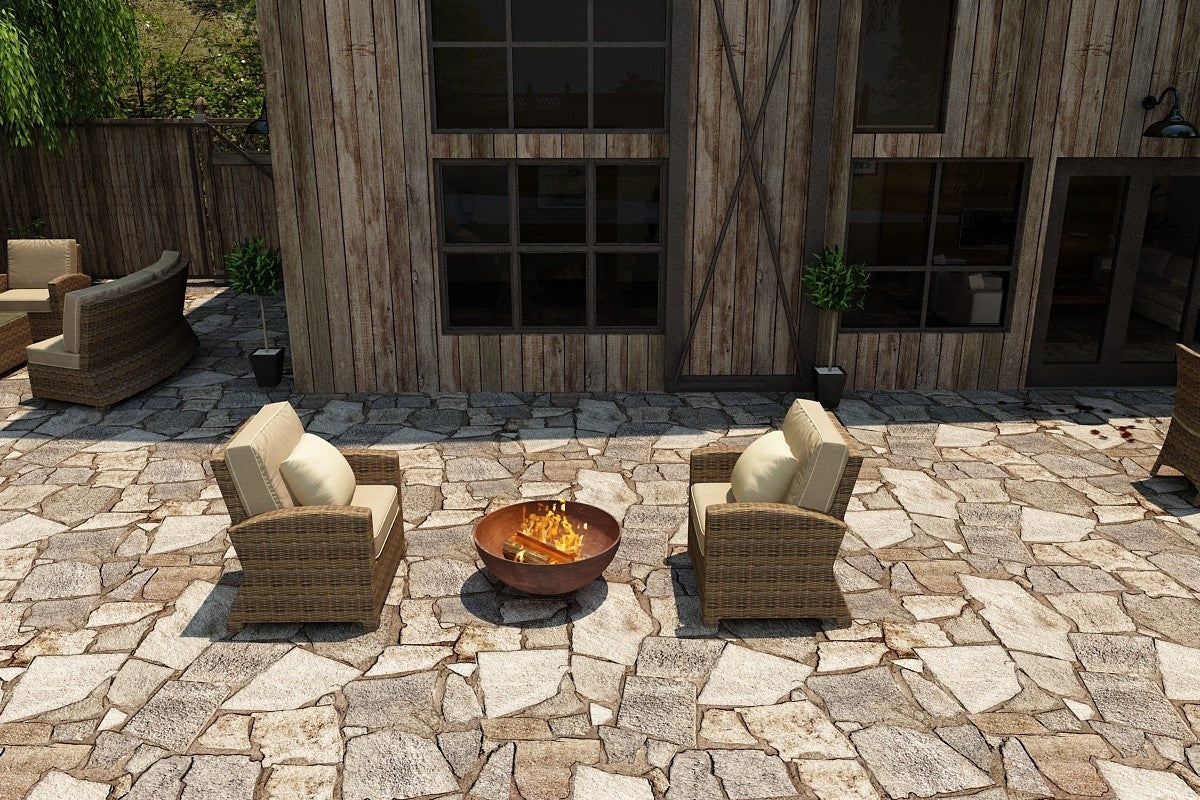
Premium all-weather wicker is a different product entirely. High-density polyethylene (HDPE) resin, infused with UV inhibitors and woven over powder-coated aluminum frames, performs well across four seasons. Midrange HDPE wicker on quality aluminum frames typically lasts 10–15 years. The weave provides a natural give that makes seating comfortable even before you add cushions, and the texture softens the look of a patio in a way that aluminum alone doesn’t.
The practical downsides: when HDPE wicker strands eventually break or unravel, repair is difficult and the result rarely looks right. Unlike teak, which can be sanded and refinished, worn wicker usually means replacement. Cushions also need more attention than the frames — store them during heavy rain and over winter to prevent mildew and extend their life.
For wicker to make sense as a long-term investment, look for hand-woven thick-strand HDPE construction, fully welded aluminum frames, and stainless or coated hardware. A long warranty (three years minimum on the frame) is a reliable proxy for quality.
Wicker is best for: Comfort-first buyers, covered or semi-covered patios, moderate climates, anyone who prioritizes the warm woven aesthetic and is willing to invest in quality construction.
HDPE Lumber (Poly Furniture): The Zero-Maintenance Option
HDPE lumber — sold under brand names like POLYWOOD and made primarily from recycled high-density polyethylene — occupies a category of its own. The material is solid through its entire cross-section, UV-stabilized, and engineered specifically for permanent outdoor exposure. It does not rot, crack, splinter, peel, or absorb moisture. Color runs all the way through the material, so surface scratches are nearly invisible.
Lifespan runs 20–30 years in most climates, and the material handles coastal salt air, pool chlorine, and freeze-thaw cycles without complaint. For buyers near the ocean or around a pool — environments where aluminum frames can pit and wicker hardware can corrode — HDPE lumber is probably the most practical choice available.
The trade-off is aesthetic. HDPE lumber looks like plastic because it is plastic, just a very high-grade version of it. Designs have improved considerably and the material now comes in dozens of colors, but it doesn’t have the visual warmth of teak or the textured softness of wicker. Some buyers find this completely acceptable; others don’t. It also tends to absorb heat in direct sun, similar to dark aluminum.
Pricing is comparable to mid-range teak — roughly $500–$2,000 for a quality set — but the near-zero maintenance requirement means the total cost of ownership over 20+ years is among the lowest of any outdoor furniture material.
HDPE lumber is best for: Coastal properties, poolside settings, buyers who genuinely want to do zero maintenance, households with kids or pets where durability and easy cleaning matter most.
All Backyard Fun carries POLYWOOD and recycled plastic furniture options alongside premium wicker and aluminum sets — useful if you want to compare the materials side by side before deciding.
How to Match Material to Your Specific Situation
Climate is probably the single most important variable. Here’s a practical breakdown:
- Humid Southeast (Florida, Gulf Coast, Carolinas): Aluminum and HDPE are the safest bets. Teak works well if you’re willing to clean it more frequently to prevent algae buildup. Avoid steel frames and natural wicker entirely.
- Arid Southwest (Arizona, Nevada, New Mexico): UV degradation is the primary threat. HDPE lumber and powder-coated aluminum both handle extreme sun well. HDPE wicker can become brittle in sustained high heat over many years.
- Northeast and Midwest (freeze-thaw climates): All four materials survive winter, but HDPE and cast aluminum can stay outside year-round without concern. Wicker cushions should come inside, and natural wicker should never be left in standing water that can freeze inside the weave.
- Coastal salt air: HDPE lumber is purpose-built for this environment. Teak performs well too. Aluminum is fine as long as the powder coat stays intact — scratches in a salt-air environment should be touched up promptly.
Beyond climate, think about how you actually use the space. If you rearrange furniture often, aluminum’s light weight is a genuine advantage. If you want set-and-forget seating that stays put in wind, teak or HDPE lumber’s weight becomes a feature. If comfort and a resort-like atmosphere are the priority, quality HDPE wicker with Sunbrella cushions delivers something the other materials don’t quite match.
Budget also shapes the decision in ways that aren’t always obvious. A $300 wicker set that lasts three years costs more per year than a $1,200 aluminum set that lasts 20. The upfront price and the real cost are often very different numbers.
For shoppers who want to browse across all four material types in one place, the patio furniture collection at All Backyard Fun includes sets from brands like Northcape (NCI Wicker), Sunset West, and POLYWOOD — covering the full range from premium wicker to recycled plastic lumber. The store has been helping families build outdoor spaces since 2007, which means the team has seen how each material actually ages across real American backyards.
The Short Answer
No single material wins across every category. But here’s a practical summary:
- Best overall for most backyards: Powder-coated aluminum — low maintenance, proven lifespan, works in nearly every climate.
- Best for longevity and natural aesthetics: Grade-A teak — the 50-year option if you can absorb the upfront cost.
- Best for comfort and style on a covered patio: Premium HDPE wicker over aluminum frames — buy quality or don’t bother.
- Best for coastal, poolside, or zero-maintenance households: HDPE lumber — the material that genuinely asks nothing of you.
The worst outcome is buying on price alone. Budget wicker and thin-gauge aluminum with cheap hardware tend to fail within two to four years, which means you’re shopping again sooner than you planned — and spending more in total than if you’d bought better the first time.